The Heart of Sound: Navigating Audio Post-Production in Los Angeles
Walking into a mixing stage in Los Angeles feels different from any other city. There is a specific gravity to the work here, a sense that what you produce might end up on a cinema screen in a hundred countries or on a streaming platform viewed by millions. The talent pool is deep, the expectations are high, and the deadlines are often punishing. That is the reality of audio post-production los angeles, a world where precision meets creativity under constant pressure.
I have spent years working in this environment, and the one thing that never changes is the collaborative grind. You sit with a director who has been staring at the same cut for weeks, and you need to bring fresh ears. You listen to a voiceover take for the tenth time, searching for that one syllable that feels slightly off. It is a craft of tiny adjustments, but those tiny adjustments define the final product. The best sound work in this city is invisible; it serves the story without ever calling attention to itself.
Why Los Angeles Remains the Center of Audio Post
Some people ask why anyone would still base their audio post operation in Los Angeles, given that remote workflows have become standard. The answer is proximity to decision-makers. When a trailer needs a final mix and the client wants to sit in the room, they want to be in a Hollywood-adjacent studio. The creative energy here is tangible. You can walk from one soundstage to another and bump into a sound designer you worked with three years ago, and suddenly you are discussing a new Foley technique or a better way to handle a complex ADR session.
There is also a deep bench of specialized talent. Finding a mixer who understands the nuances of a Dolby Atmos theatrical release is not easy in every market. In Los Angeles, that mixer is likely a few phone calls away. The same goes for Foley artists who can recreate the exact sound of a specific car door closing, or a voiceover director who knows how to pull a performance out of a nervous actor. This concentration of expertise is why audio post-production los angeles continues to thrive, even as technology makes remote collaboration easier than ever.

The Tools of the Trade: Pro Tools and Beyond
If you walk into any serious audio post facility in Los Angeles, you will see Pro Tools running on nearly every workstation. Avid has made that platform the industry standard for a reason. It handles the complex routing, the extensive plugin chains, and the synchronization with picture that audio post demands. But the tool is only as good as the person using it. I have seen a skilled sound designer make a simple session sound cinematic, while a less experienced operator can drown a mix in unnecessary effects.
Dolby Atmos has changed the landscape significantly in the last few years. Mixing for immersive audio requires a different mindset. You are no longer just placing sounds left and right; you are placing them above, behind, and around the audience. A trailer mix for a major action film might use the height channels for a helicopter flyover, while a quiet drama might use them to create a sense of space in a lonely room. That kind of work demands a stage that is properly calibrated and a mixer who understands the format inside and out.
Sound Design: The Unseen Storyteller
Sound design is where the magic happens. A good sound designer can make a simple scene feel tense, joyous, or terrifying without a single line of dialogue. I remember working on a short film where the protagonist was walking through an empty house. The director wanted the audience to feel uneasy. We ended up layering three different ambient recordings, adding a low-frequency hum that was barely audible, and placing tiny Foley sounds like a creaking floorboard and a distant clock tick. The result was a soundscape that made people hold their breath.
Foley is a distinct art within that world. Foley artists perform sound effects in real time while watching the picture. They walk on specific surfaces, handle props, and create the footsteps, cloth movements, and object interactions that make a scene feel real. It is a physical job, and it requires an incredible sense of timing. A good Foley artist can match the rhythm of an actor's walk perfectly, making the sound feel like it was recorded on set.
Voiceover, ADR, and the Human Voice
Voiceover work is a huge part of the commercial and trailer industry in Los Angeles. A thirty-second commercial spot might go through ten rounds of voiceover pickup sessions before the client is happy. The director wants a specific inflection, the brand wants a certain warmth, and the mixer needs to make it all sit cleanly in the mix. ADR, or automated dialogue replacement, is similar but for film and television. When an actor's original dialogue is unusable due to noise or performance issues, they come into a stage and re-record their lines while watching themselves on screen.
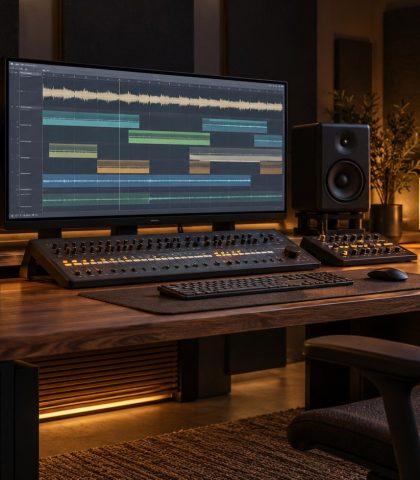
Getting a good ADR session requires patience. The actor needs to match the original performance's timing and emotion, which is harder than it sounds. A skilled ADR mixer knows how to guide the actor without breaking their concentration, and how to process the new recording so it blends seamlessly with the production sound. It is a delicate dance, and it is one of the reasons why experienced mixers are so valued in this city.
Mixing for Different Screens
The same project might need a mix for a theatrical release, a television broadcast, and a streaming platform. Each one has different loudness standards, dynamic range expectations, and technical specifications. A film mix that sounds incredible in a Dolby Atmos cinema can sound thin or distorted when folded down to stereo for a streaming service. A Mixer has to balance the artistic vision with the practical realities of how the audience will actually hear the content.
For trailers, the mix needs to hit hard and fast. You have thirty seconds to a minute to grab the audience's attention. The sound design has to be punchy, the music has to build tension, and the voiceover has to cut through clearly. It is a different skill set from mixing a feature film, and many mixers specialize in one or the other. The best trailer mixers can make you feel like you have watched an entire movie in sixty seconds.
The Business Side of Audio Post
Running a successful audio post facility in Los Angeles is not just about creative talent. It is about managing schedules, maintaining equipment, and building relationships. A typical week might include a commercial mix on Monday, a Foley session on Tuesday, a voiceover recording for a video game on Wednesday, and a final mix for a television show on Thursday. Each project has its own workflow, its own client expectations, and its own technical requirements.
SMPTE timecode synchronization is still a fundamental part of the process. Every piece of equipment in the studio needs to lock to the same clock, or the audio will drift out of sync with the picture. It is a basic technical reality that every engineer has to deal with, but it is also something that can trip up less experienced facilities. A studio that has invested in proper synchronization and calibration will save hours of troubleshooting down the line.
Looking Ahead
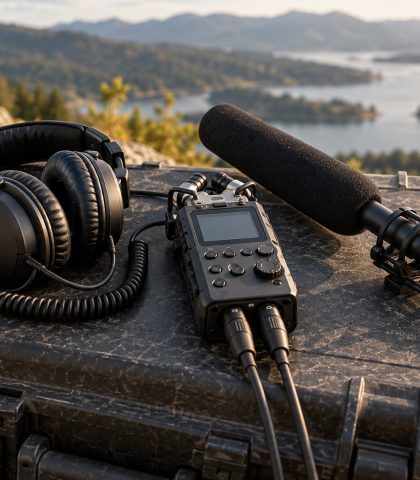
The industry is always evolving. Remote mixing workflows are becoming more common, and some projects now record voiceover from actors in different cities. But the core of audio post-production los angeles remains the same: skilled people using great tools to tell stories through sound. Whether it is a blockbuster film, a streaming series, or a thirty-second commercial, the goal is to make the audience feel something. That never goes out of style.
For anyone considering a career in this field, my advice is simple. Learn the tools, but never forget the art. Listen to everything. Pay attention to how sounds make you feel. And if you get the chance to sit in a darkened stage in Los Angeles, watching a scene come to life through sound, you will understand why this work matters.
Ends · MYAUDIOPOSTPRODUCTIONLOSPOST